

Every year, Nigeria loses up to 50% of its perishable food products before they ever reach the consumer. For fresh tomatoes alone, post-harvest losses of 40 – 50% are routinely recorded, which is a measurable result of cold chain failure.
Each consignment carries a direct cost in wasted stock and an indirect cost in eroded trust that can take years to rebuild. For businesses dealing in temperature-sensitive goods, cold chain management is no longer a background operational concern; it has become a strategic priority.
Temperature Requirements Are Not Uniform
One of the most consequential errors in cold chain management is treating all perishables as though they share the same requirements. In reality, they do not, and the gap between what a product needs and what it actually receives is precisely where losses occur.
FMCG: Dairy, Beverages and Prepared Foods
- Chilled products (fresh milk, yoghurt, processed meats, ready-to-eat meals) require a standard temperature of 0°C to 4°C. Once temperatures rise above 8°C, bacteria multiply rapidly. As a result, fresh milk can develop unsafe bacterial counts within hours, and shelf life shortens significantly even when there are no visible signs of spoilage.
- Frozen goods (ice cream, frozen meat, seafood) demand a standard temperature of -18°C or below at all times. Even a brief partial thaw followed by refreezing alters the product's texture, taste and safety profile, and in many cases voids any quality certification it carries.
Agricultural Produce
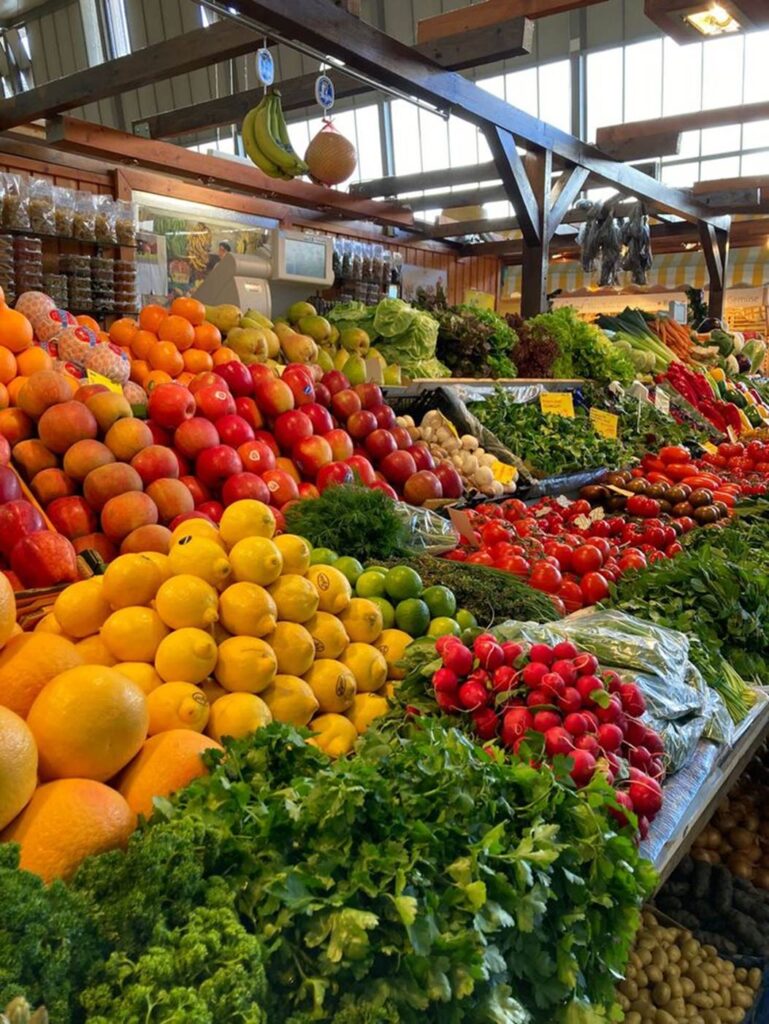
- Leafy vegetables (spinach, lettuce, herbs) require a standard temperature of 0°C to 2°C with high humidity levels of 90 to 95 percent. Without these conditions, they wilt and yellow quickly, losing both shelf appeal and market value within a day.
- Tomatoes require a standard storage temperature of 10°C and above, as they are chill-sensitive. Exposure to lower temperatures breaks down their cell walls from the inside, producing a mealy and flavourless texture. The damage may not be immediately visible, but it becomes evident once the consumer bites into the product, by which point both the sale and the relationship may already be lost.
- Tropical fruits (mangoes, pawpaw, pineapple) require a standard temperature of 10°C to 13°C. Bananas are particularly sensitive to cold, and temperatures below 12°C cause irreversible skin blackening and flesh deterioration, rendering them unsellable no matter how carefully handlers managed them beforehand.
Pharmaceuticals
- Vaccines, insulin, biologics and diagnostic reagents require a standard temperature of 2°C to 8°C throughout the entire supply chain, not only during storage but also at every transfer point, during transit and at final delivery.
Pharmaceutical cold chain breaches are particularly dangerous because a compromised product looks no different from an effective one. As a result, the consequences may only surface when it is already too late.
What a Reliable Cold Chain Requires
Effective cold chain logistics in Nigeria requires far more than refrigerated vehicles. It demands continuous, real-time temperature monitoring that identifies deviations before spoilage occurs rather than after it has already happened. It also requires storage facilities with reliable backup power, disciplined protocols around door open-times and product staging, and regular calibration of all temperature control equipment.
Equally important are trained personnel at every level, including drivers, warehouse operatives and delivery staff who understand not only the procedures they are expected to follow but also the consequences of failing to follow them.
Time is also temperature, particularly in Nigeria’s urban centres where a two-hour delivery route can easily extend to five hours due to traffic congestion. For many perishable goods, that additional time makes a material difference in quality and safety.
Our Approach
At Sunbeth Shipping and Logistics, cold chain capability is something we are actively strengthening because we recognize it as one of the most critical gaps in Nigeria’s logistics landscape and we are committed to being part of the solution.
We work with clients across the FMCG, agriculture and pharmaceutical sectors, taking the specific temperature and handling requirements of each category seriously. Every shipment is tracked and accounted for, and we maintain close communication with clients at every stage to ensure visibility and accountability. That is the standard we hold ourselves to.
If your business deals in temperature-sensitive goods and you are seeking a logistics partner that approaches cold chain management with discipline and seriousness, don’t hesitate to get in touch with us. Contact us at 08058088889 or sslsales@sunbeth.net